Guardrails Aren’t Just for Highways: Protecting Warehouses, Parking Lots, and Factories

Where steel barriers belong off the interstate — and why property owners are adding them.
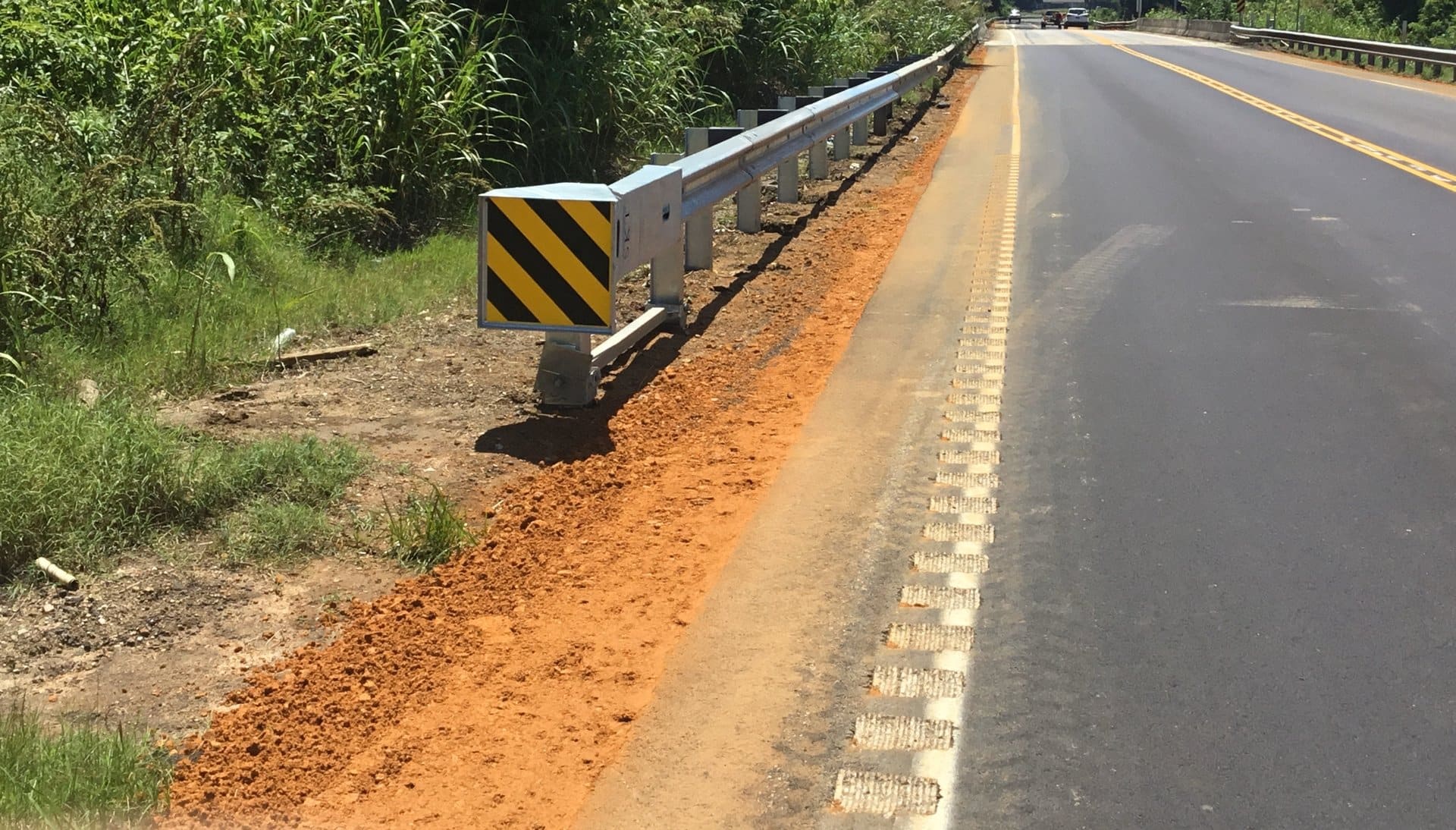
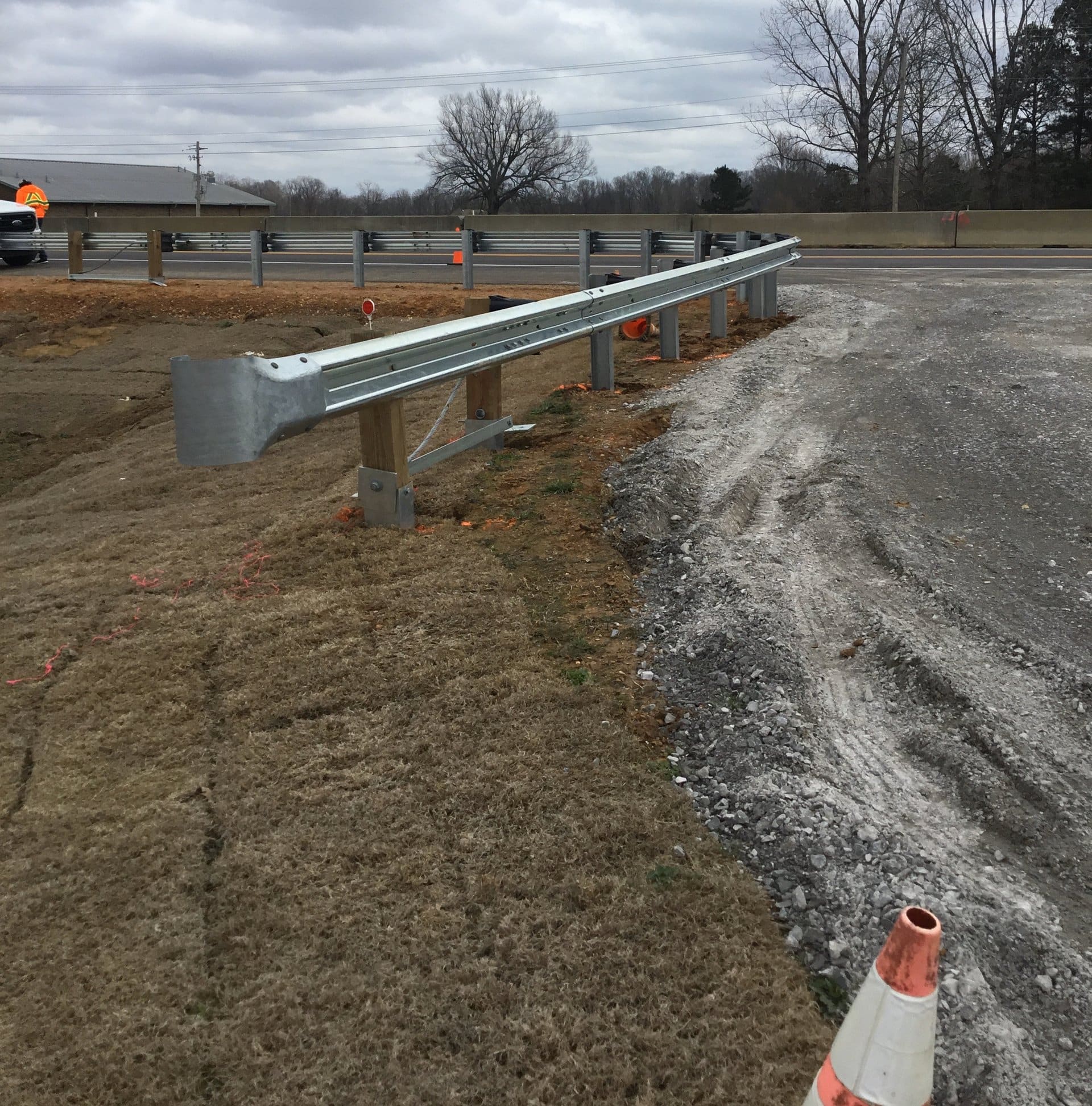
Mention guardrails and most people picture an interstate shoulder. But some of the most important guardrail work happens nowhere near a highway. Warehouses, distribution centers, manufacturing floors, parking decks, and private roads all rely on the same engineering principles to protect people, equipment, and property from a moving vehicle that leaves its intended path.
Where Off-Highway Guardrails Earn Their Keep
- Loading docks and dock approaches. Forklifts, yard trucks, and trailers routinely operate within feet of pedestrians and racking. A bent rail is far cheaper than a damaged dock plate or an injured worker.
- Warehouse aisles and pedestrian walkways. OSHA emphasizes physical separation between people and powered industrial trucks. Guardrails create that separation in a way paint stripes can’t.
- Parking lots and parking structures. Curb stops and bollards have their place, but guardrails are what stop a vehicle from rolling down a slope, into a building, or off a ledge.
- Equipment and utility protection. Generators, transformers, gas meters, fire suppression risers, and HVAC units all benefit from a barrier between them and the nearest drive lane.
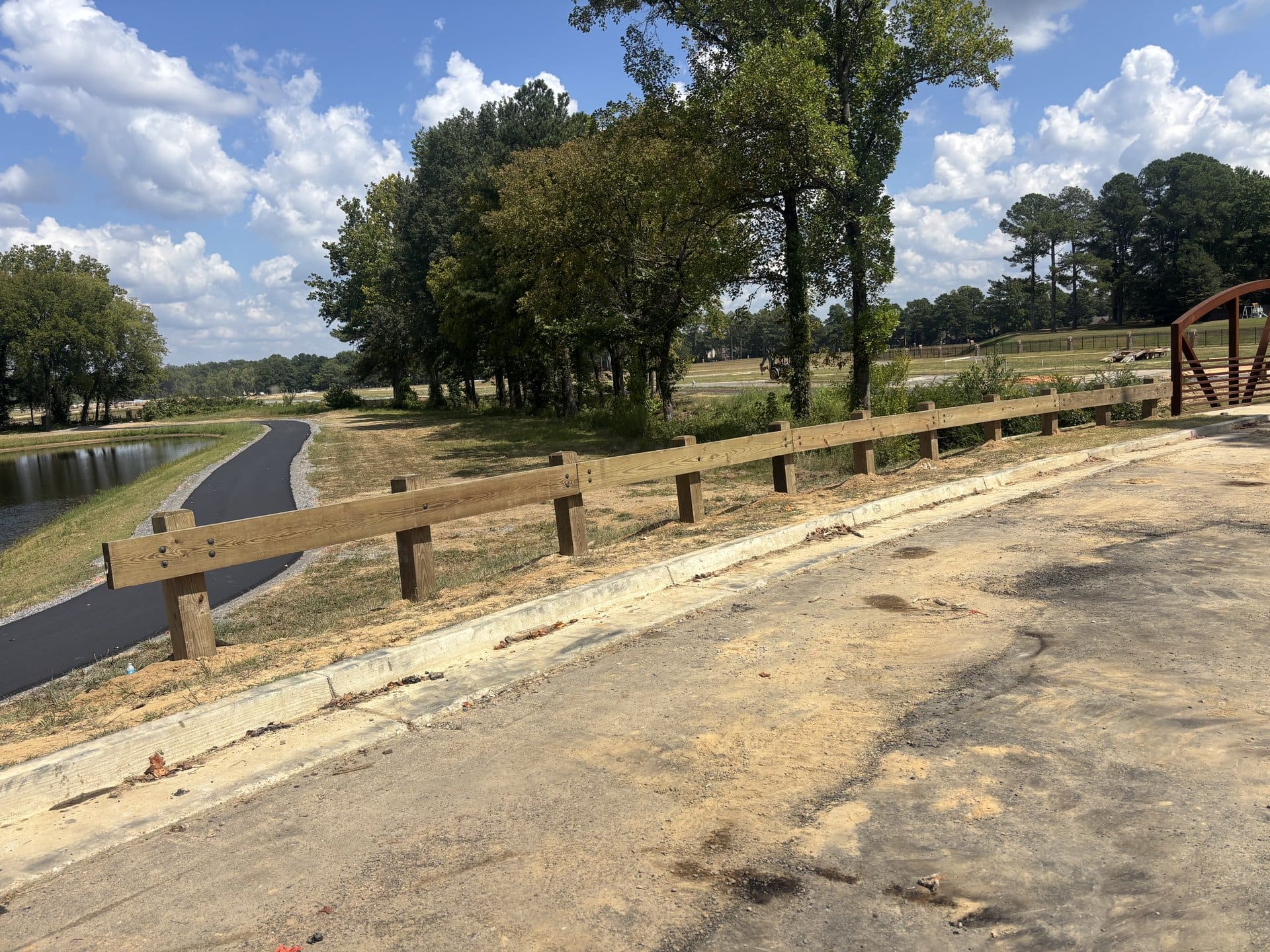
- Private roads and entrances. Apartment complexes, industrial parks, and rural commercial properties use guardrails to mark drop-offs, protect culverts, and reduce liability at hazardous spots.
Industrial Guardrail vs. Highway Guardrail
They share DNA, but they’re tuned for different jobs. Highway guardrail is engineered around higher speeds and crash-test ratings such as MASH TL-3. Industrial and commercial guardrail is sized for lower-speed impacts — forklifts, delivery vans, light trucks — and is often safety yellow for visibility, with bolt-down baseplates so it can be installed on existing concrete without disturbing the slab.
The right choice depends on the surface, the expected impact, and the asset being protected. A loading dock and a divided highway require different specifications, and using the wrong one wastes money in either direction.
Why More Owners Are Installing Them
Insurance carriers and risk managers increasingly favor physical safety controls over signage and training alone. A clearly engineered, well-installed barrier system is documentary proof that a property owner took reasonable steps to protect employees, visitors, and infrastructure. That matters in an audit and it matters in a courtroom.
It also matters on the balance sheet. Replacing a forklift-damaged sprinkler riser, a sheared gas meter, or a crumpled overhead door costs orders of magnitude more than a few sections of bollard-and-rail.
The Takeaway
If your property has a place where a vehicle, even a slow one, could do real damage, there’s a guardrail solution that fits. Tri-State Guardrail & Sign Co. builds and installs barrier systems for industrial, commercial, and private settings throughout the region. Reach out for a walk-through and a straightforward quote.