How Guardrails Save Lives: What’s Really Behind That Steel Barrier

A closer look at the engineering, the materials, and the math that keep drivers on the road.
Most drivers pass thousands of feet of guardrail every day without a second thought. That’s by design. A well-installed guardrail is supposed to fade into the background — right up until the moment it does its job. When that moment comes, the difference between a near miss and a tragedy often comes down to inches of steel, the depth of a post, and how the system was specified for that exact stretch of road.
What a Guardrail Actually Does
A guardrail isn’t a wall. It’s an energy management system. When a vehicle leaves the travel lane, the guardrail is engineered to do three things in sequence: redirect the vehicle back toward the roadway, absorb a measured amount of impact energy, and slow the vehicle without bringing it to a violent stop. Stopping a car too abruptly can be just as dangerous as the hazard the guardrail is shielding.
The barrier flexes. The posts deform. The rail slides along its connections. Every component is a calculated part of the equation.
The Most Common Types You’ll See
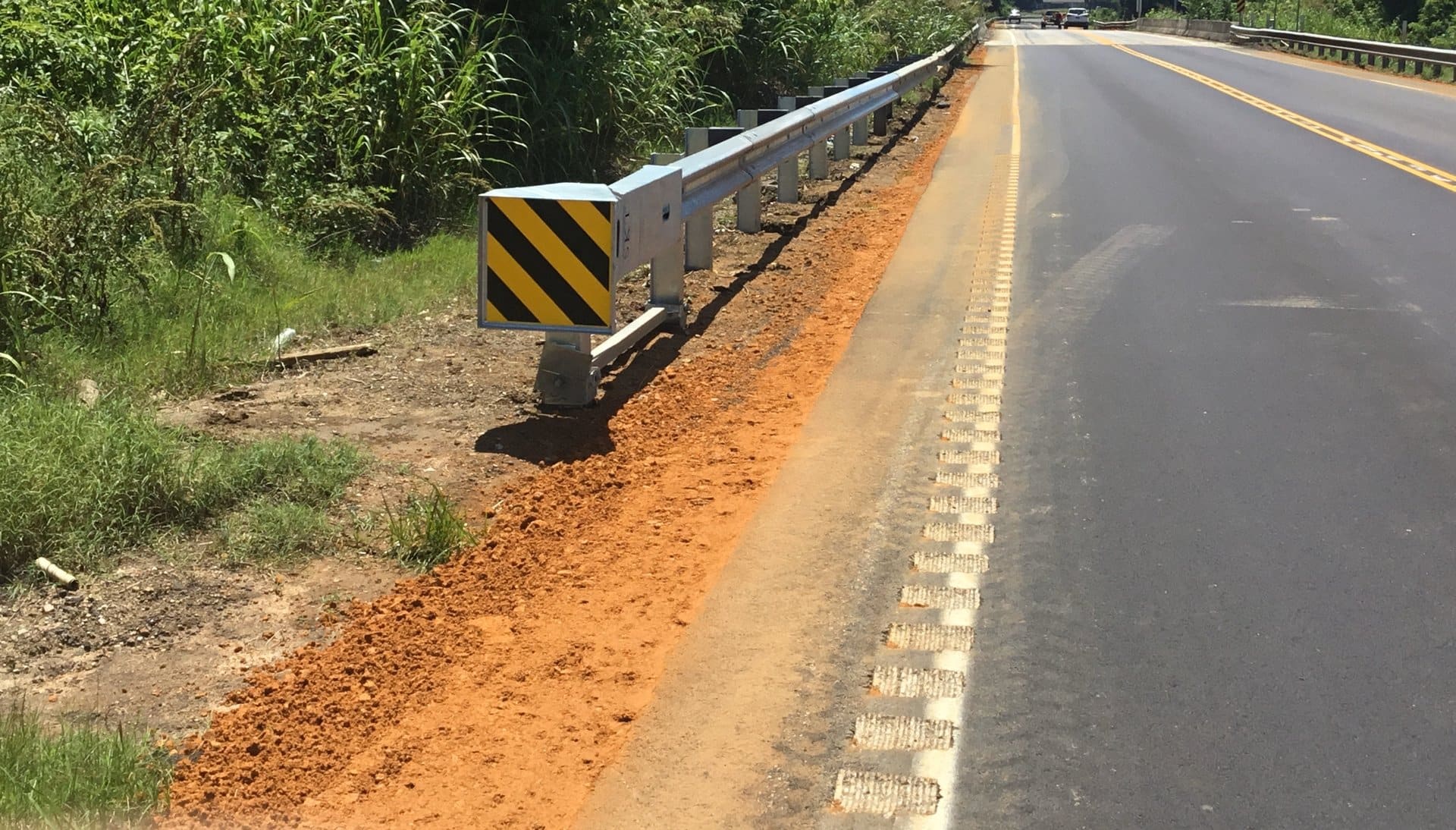
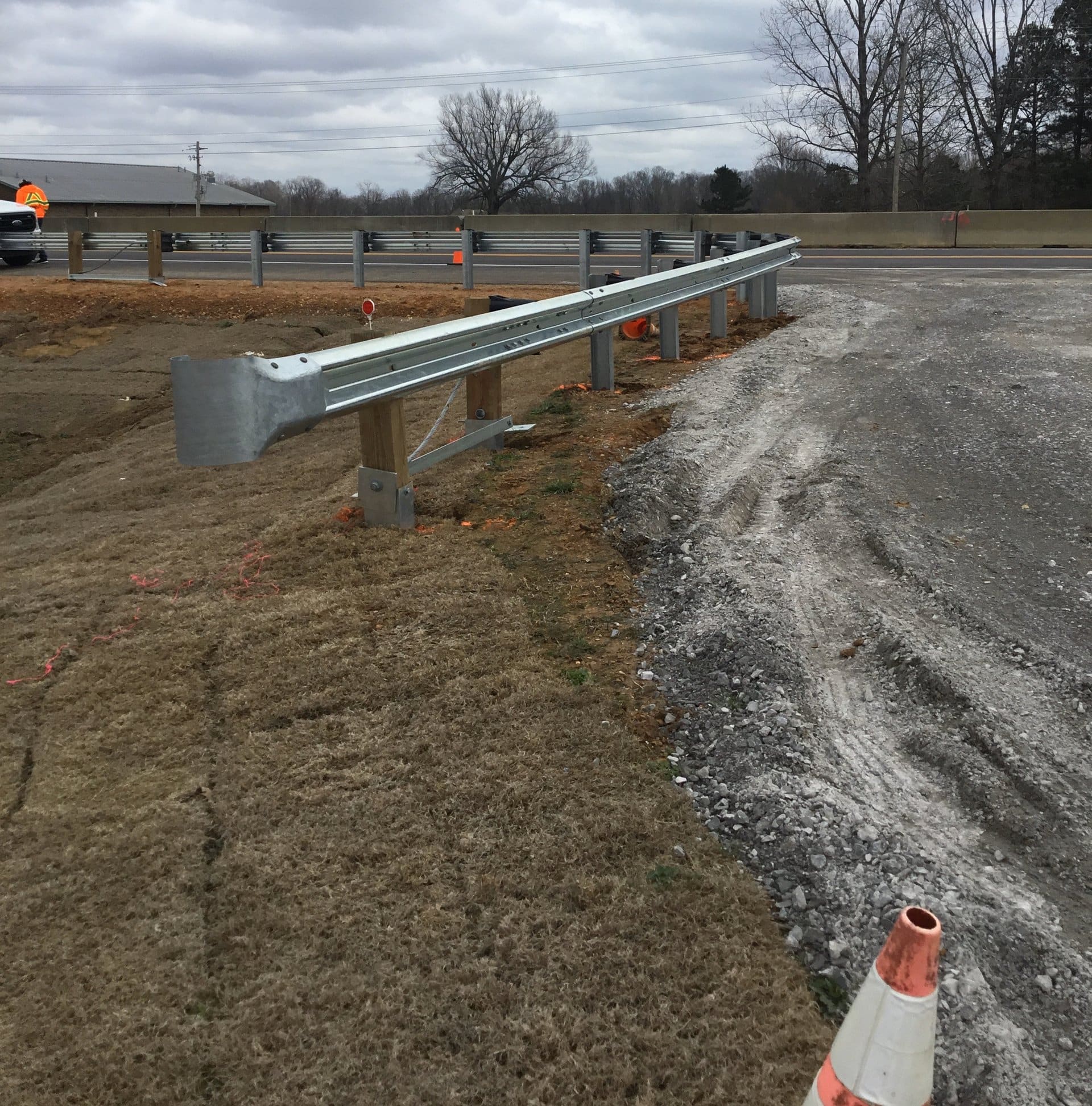
- W-beam guardrail. The classic corrugated steel barrier seen on most U.S. highways. Cost-effective and field-tested.
- Thrie-beam guardrail. A taller, three-corrugation profile used where higher containment is needed, including bridge approaches and transitions.
- Cable barrier. High-tension steel cables strung between posts. Common in medians where space is available and the goal is to stop cross-over crashes.
- Concrete barrier. Used where space is tight or speeds and traffic volumes are high. Permanent and low-maintenance, but less forgiving on impact.
Why Installation Quality Matters as Much as Material
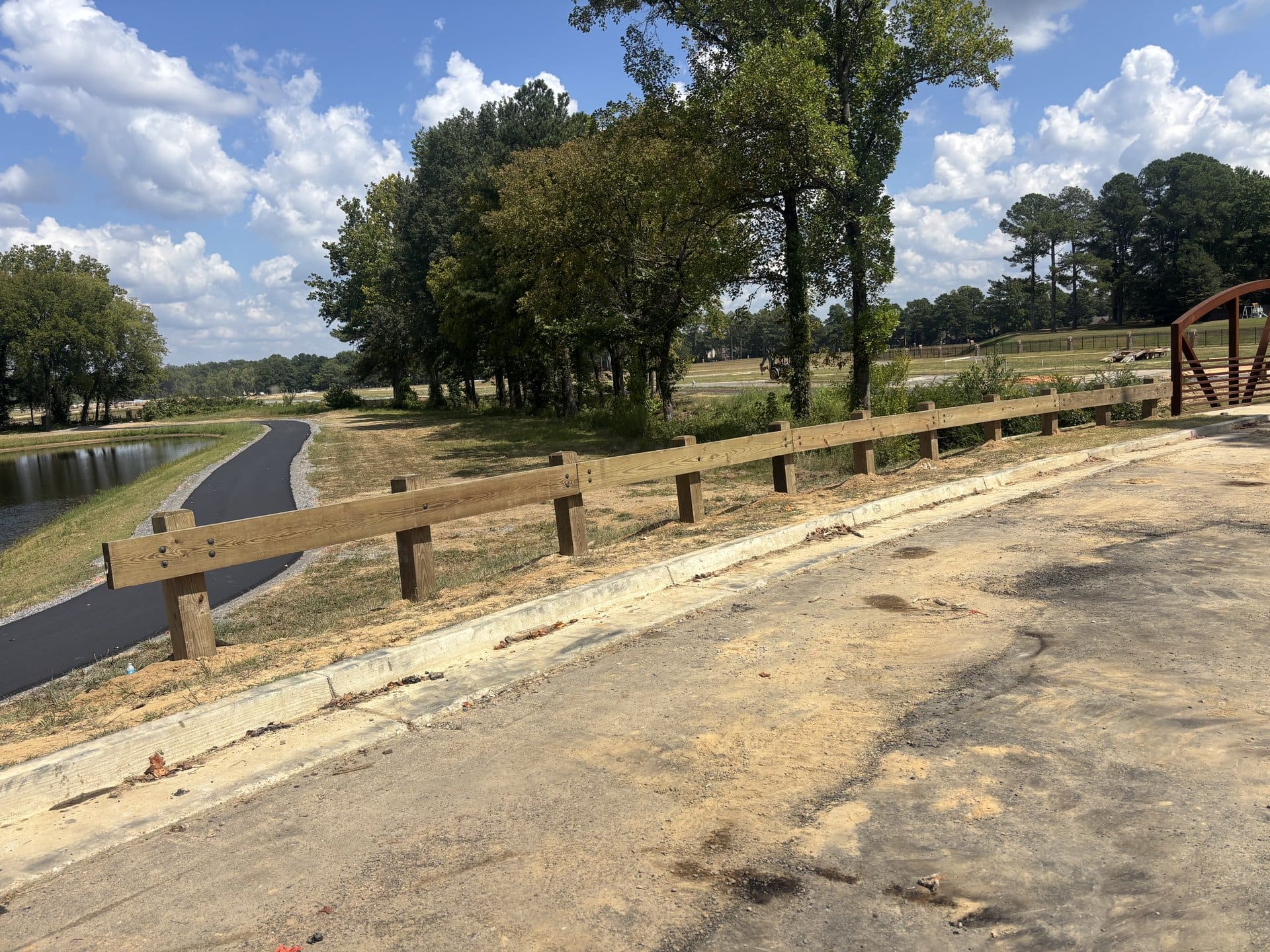
Two guardrails that look identical from a passing car can perform very differently in a crash. Post embedment depth, soil compaction, splice locations, end treatments, and offset from the hazard all change how the system behaves on impact. National crash-test standards — today’s being MASH (Manual for Assessing Safety Hardware) — only certify the system as installed per spec. A shortcut on installation is a shortcut on the safety rating.
The Bottom Line
The steel along the shoulder is the most underappreciated piece of safety infrastructure on the road. It works because engineers, manufacturers, and installers treat it as a system, not a length of metal. When a guardrail is specified correctly, installed by trained crews, and maintained after every impact, it does exactly what it’s designed to do: keep a bad day from becoming a worst day.
Tri-State Guardrail & Sign Co. installs and maintains highway-grade barrier systems across the region — from interstate work to county roads. If you’re planning a project or have a damaged section that needs attention, we’d be glad to help.